gum-disease-prevention-toothbrush-toothpaste-1200x800.webp

Understanding Gum Disease Progression

Imagine waking up one morning to find your gums swollen and tender. Your first thought might be, “Is this serious?” Gum disease can indeed progress rapidly, and understanding its trajectory is crucial for maintaining oral health. Often misunderstood, gum disease, or periodontal disease, can swiftly transition from mild to severe stages, affecting not only your gums but potentially your overall health.

This article delves into the FAQ: How Quickly Can Gum Disease Progress?, exploring how the condition develops and what you can do to prevent it. According to the Centers for Disease Control and Prevention, nearly half of adults in the United States suffer from some form of periodontal disease, emphasizing the need for awareness and timely intervention.

The Early Stages: Gingivitis

Gum disease begins with gingivitis, a mild form of gum inflammation often characterized by redness and swelling. This stage is crucial: if caught early, gingivitis can be reversed with proper oral hygiene. Practicing consistent brushing and flossing, alongside regular dental check-ups, can combat these early signs. Our comprehensive guide on Taking Care Of Your Toothbrush offers insights into maintaining effective brushing habits that can prevent the onset of gingivitis.

Progressing to Periodontitis

Without intervention, gingivitis can advance to periodontitis, a more severe stage marked by plaque spreading below the gum line. This can result in the gums pulling away from the teeth, creating pockets that become infected. As the body attempts to fight these infections, the supporting bone and connective tissue can be destroyed, which may lead to tooth loss if left untreated. According to the American Dental Association, untreated periodontitis can progress at varying speeds, influenced by factors like genetics, smoking, and overall health.

In essence, the progression speed of gum disease varies from person to person. Some may experience rapid deterioration, particularly if risk factors like smoking or diabetes are present. Early intervention is key in managing and halting the progression of this stealthy disease. By understanding the stages of gum disease, individuals can take proactive steps toward preservation of their oral health.

Stages of Gum Disease: A Progressive Concern

Understanding the progression of gum disease involves recognizing its stages, each presenting varied levels of impact on oral health. Gum disease begins subtly with gingivitis, characterized by inflammation and bleeding of the gums. This stage can be easily reversed with proper oral hygiene practices, including regular brushing and flossing. Early detection is crucial, as untreated gingivitis can escalate to periodontitis, a more severe form of gum disease.

At the periodontitis stage, the gums pull away from teeth, forming pockets that become infected. According to the Centers for Disease Control and Prevention, nearly 47.2% of adults over 30 years in the US are affected by this condition. This statistic underscores the importance of identifying the transition from gingivitis to periodontitis swiftly. Without intervention, periodontitis can progress rapidly, leading to tissue and bone loss, eventually resulting in tooth loss.

Risk Factors Influencing Disease Speed

Various risk factors contribute to how quickly gum disease can progress. Poor oral hygiene, smoking, genetic predispositions, hormonal changes, and certain medical conditions like diabetes play significant roles. Smokers, for instance, are six times more likely to develop gum disease than non-smokers, according to a study published by the National Institute of Health. Such findings emphasize the need for targeted interventions tailored to individual risk profiles.

For those with diabetes, the progression of gum disease can be more aggressive. The link between these conditions is explored further in the resource on Teeth Gums And Diabetes, highlighting how managing diabetes effectively can aid in controlling gum disease’s progression. Personalized treatment plans, including more frequent dental check-ups and cleanings, can be pivotal in managing these elevated risks.

Understanding these stages and risk factors allows individuals to act more proactively. For those wondering about “FAQ: How Quickly Can Gum Disease Progress?,” the answer is nested in these complexities—varied timelines and influences demand attentive care and professional guidance. Early recognition and intervention remain foundational to slowing or halting the destructive journey of this common yet preventable condition.
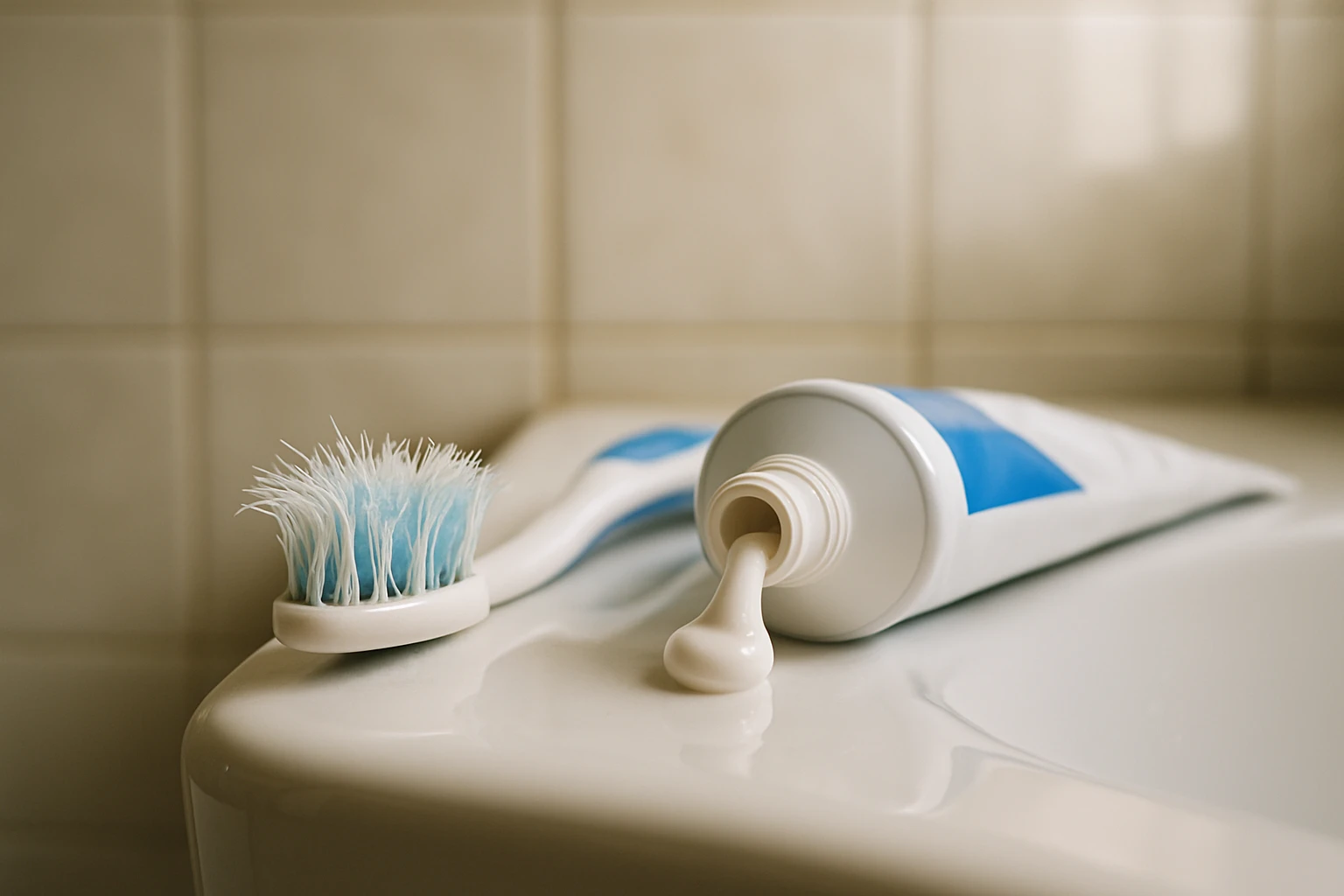
A close-up view of a toothbrush with frayed bristles next to a tube of toothpaste, set on the edge of a bathroom sink with a faint reflection of brightly lit tiles in the background.

Understanding the Stages of Gum Disease

Gum disease, also known as periodontal disease, is a progressive condition that typically unfolds in stages. While the pace of progression can vary among individuals, it often follows a predictive pattern if left untreated. Understanding these stages can help individuals recognize early signs and seek timely intervention.

Stage 1: Gingivitis

The initial and mildest form of gum disease is gingivitis. This stage is characterized by inflammation of the gums due to plaque buildup. Symptoms may include redness, swelling, and bleeding during brushing or flossing. Fortunately, gingivitis is reversible with proper oral hygiene practices and professional care from a dental provider like Hudson Dental Center. Regular dental exams and cleanings play a critical role in preventing the progression of gum disease.

Stage 2: Early Periodontitis

When gingivitis is not treated, it can advance to early periodontitis. At this stage, the inflammation extends to the bone and surrounding structures that support the teeth. According to the American Academy of Periodontology, this phase may involve noticeable gum recession and the formation of periodontal pockets that harbor bacteria. Without intervention, these pockets can deepen, escalating the disease.

Stage 3: Moderate to Advanced Periodontitis

As gum disease progresses into moderate to advanced periodontitis, the damage becomes more extensive. This stage often results in significant attachment loss as the bones and fibers holding the teeth in place become compromised. Symptoms may include loose teeth, persistent bad breath, and changes in bite alignment. For detailed assessments, consider services such as dental exams and X-rays to gauge the extent of periodontal damage.

Seeking prompt treatment during the early stages of gum disease is crucial. Professional cleaning, scaling, and root planing can effectively manage early periodontitis. For those in advanced stages, surgical interventions might be necessary to restore oral health. As the progression of gum disease can vary, personalized treatment plans from a trusted provider are essential for optimal outcomes.

It’s imperative for individuals to understand how quickly gum disease can progress to take proactive measures in maintaining oral hygiene. Consulting experts like those at Hudson Dental Center ensures timely management and prevention strategies are effectively implemented.

Understanding the Timeline of Progression and Recovery

Transitioning smoothly from our previous discussion, it’s essential to grasp just how rapidly gum disease can evolve—and how intervention timelines make a critical difference. In many cases, plaque buildup peaks in as little as four days, and by day five, visible signs of gingivitis—such as redness or bleeding—begin to appear. Without timely treatment, this early stage can slide into more advanced periodontal disease within a matter of weeks al-faperio.co.uk.

Individual factors significantly influence the pace of progression, too. For instance, poor oral hygiene, smoking, stress, diabetes, and genetic predispositions can accelerate the onset of periodontitis, with some individuals progressing from gingivitis to early periodontitis in just three to twelve months rankmydentist.com. In contrast, studies indicate that in some populations, gingivitis may take approximately 66.8 weeks—about 15 months—to evolve into full-blown periodontitis delawareperiodontics.com.

Case Insight: Real-World Timelines

Consider a hypothetical patient who neglects oral hygiene for over a week: plaque accumulates, gums redden by day 5, and if unaddressed, within a few weeks they could develop early periodontal pockets. Left untreated, mild periodontitis could escalate within months, especially in individuals with adverse lifestyle factors.

In another example, research from Sri Lankan tea workers reveals that, in the absence of any hygiene, about 10% of people experience rapid loss of attachment exceeding 2 mm per year, while 80% experience moderate loss of 1–2 mm annually en.wikipedia.org. This underscores just how variable—and potentially swift—the decline can be without consistent oral care.

Recovery Timelines and Effective Treatment

Reversal is possible, especially in the early stages. Gingivitis can resolve in as little as one to two weeks with proper dental cleaning and improved at-home care premiergreshamdentist.com. For moderate periodontitis, non-surgical interventions such as scaling and root planing typically yield noticeable improvements within a few weeks to several months; full integration and tissue regeneration may require three to six months agavedentaltx.com.

In severe cases, comprehensive recovery may take several months to a year. Patients often require ongoing maintenance and monitoring to sustain progress, as restoration of gum health is a gradual process of tissue reattachment and pocket reduction reddit.com.

By weaving these findings into the FAQ: How Quickly Can Gum Disease Progress? narrative, readers gain clarity around the urgency of early intervention, the realistic recovery timelines, and the powerful impact of consistent oral care.
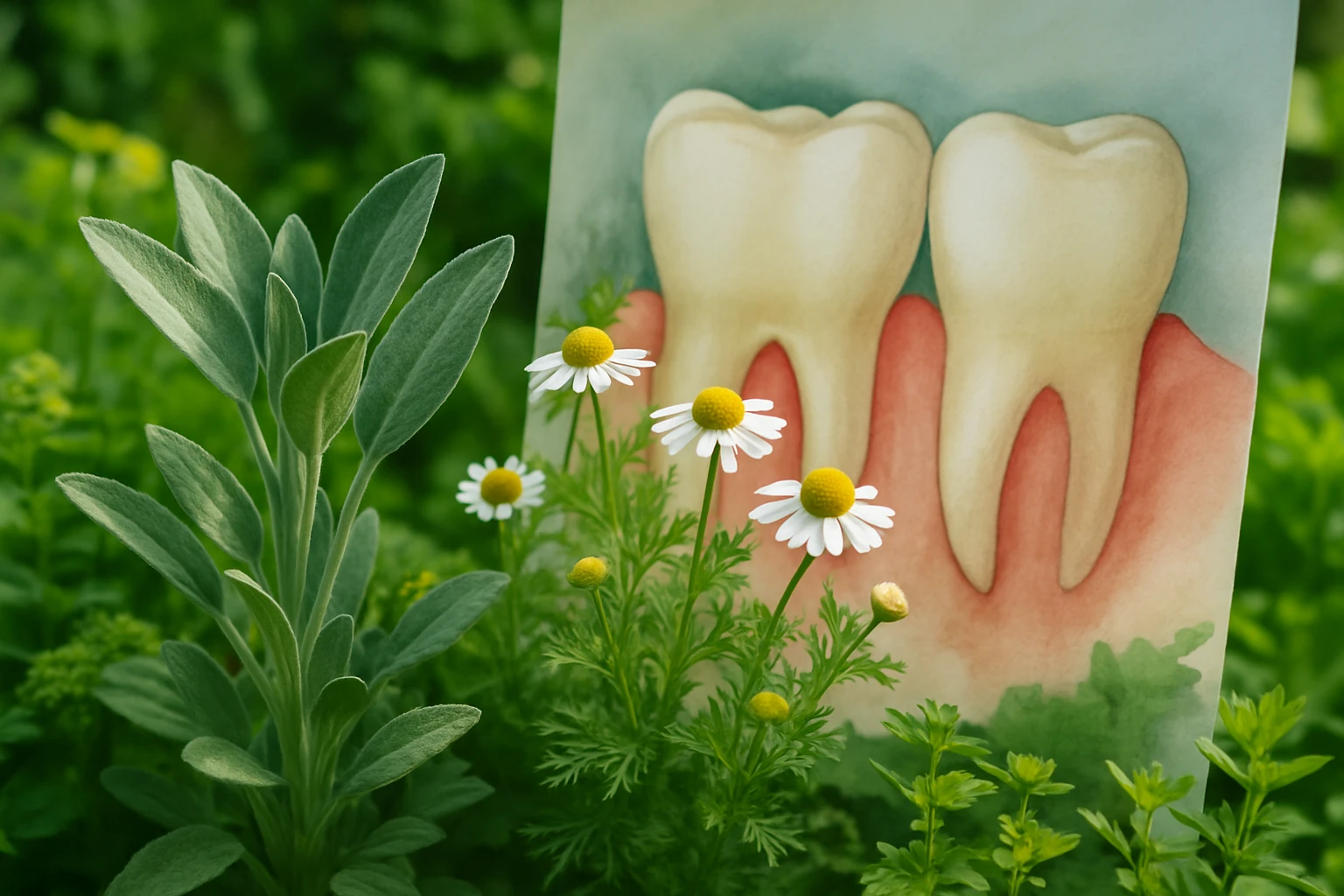
A lush garden with a close-up of various medicinal herbs like sage and chamomile, symbolizing natural treatments for gum disease, with a watercolor painting of healthy teeth and gums in the background.

Conclusion: Taking Control of Your Oral Health

Understanding the progression of gum disease is essential for maintaining excellent oral health. The FAQ: How Quickly Can Gum Disease Progress? has highlighted the potential speed at which this condition can develop, urging the importance of regular dental care and early intervention. Lifestyle choices, such as maintaining a balanced diet and quitting smoking, play critical roles in keeping your gums healthy.

Gum disease doesn’t have to be an inevitable part of life. Through effective prevention and timely treatment, you can significantly reduce the risk of it progressing to more severe stages. Early symptoms like bleeding gums or persistent bad breath should prompt a visit to your dentist to avert further complications. According to recent studies, about 47.2% of adults aged 30 years and older have some form of periodontal disease, emphasizing the need for vigilance and proactive management.

Seeking professional assistance can make a substantial difference. Dentists can provide personalized advice and treatment tailored to your specific needs. For a comprehensive evaluation and expert guidance, consider reaching out to Hudson Dental Center. Their experienced team can help you devise a long-term strategy to combat gum disease, ensuring your smile remains healthy and vibrant.

Incorporating simple yet effective at-home practices also contributes significantly to preventing the progression of gum disease. Regular brushing with fluoride toothpaste, flossing daily, and utilizing antiseptic mouthwash form the foundation of excellent oral hygiene. Furthermore, scheduling routine dental check-ups allows for professional cleaning and the early detection of any issues that might otherwise go unnoticed.

In conclusion, while gum disease can progress quickly under certain circumstances, informed and proactive measures can substantially mitigate the risks. Prioritize your oral health by seeking professional advice, making healthy lifestyle choices, and adopting thorough dental hygiene practices. Taking these steps not only safeguards your oral health but also enhances your overall well-being.

featured_mF5oqxL0XxIhjts-1200x800.webp

Understanding Teeth Whitening and Its Aftermath

Teeth whitening is a popular cosmetic dentistry procedure that promises gleaming smiles and increased confidence. However, if you’ve recently undergone this treatment, you may notice something perplexing: your teeth appear more yellow than before. This unexpected outcome can leave many questioning why the whitening didn’t yield the desired results. The fascinating dynamics behind why teeth might look more yellow after whitening are worth exploring to understand this phenomenon better.

Initially, it’s essential to grasp how teeth whitening works. Whitening products typically use bleaching agents like hydrogen peroxide or carbamide peroxide to remove stains and discoloration. These agents penetrate the outer enamel layer to reach the dentin, which is the main substance of the tooth beneath the enamel, facilitating a brighter appearance. In some cases, though, the dentin might react differently, potentially leading to an increased perception of yellowing according to Colgate’s insights.

The Role of Enamel and Dentin in Tooth Color

The natural color of your teeth is largely determined by the thickness and health of the enamel and the underlying dentin. Enamel, being translucent, can reveal the color of the dentin beneath it. Typically, after a whitening process, the contrast between the whiter enamel and the dentin can make any lingering stains or the natural yellow tint of the dentin more noticeable. This optical illusion can mislead individuals into believing their teeth have become more yellow post-treatment.

Moreover, when enamel is temporarily weakened by whitening agents, it can reflect light differently, potentially enhancing the appearance of yellow tones. Sometimes, patients may also notice increased sensitivity or side effects similar to canker sores post-treatment. For relevant strategies to address such issues, you can refer to Canker Sores After Treatment.

Understanding the Balance of Whitening Treatments

While achieving a dazzling smile is the primary objective of whitening treatments, balancing expectations with reality is crucial. As the teeth recover from the procedure, natural remineralization occurs, which can normalize the appearance over time. It is also important for individuals to consider the type of whitening treatment used, as in-office procedures may yield different results compared to home kits due to varying concentrations of active ingredients.

The key to maintaining that newly brightened smile lies in proper aftercare. Regular dental exams and early attention to discoloration can prevent unexpected results and keep the hues of your smile consistently brilliant. Keeping yourself informed is the best way to ensure lasting satisfaction with any whitening treatment.

Understanding Post-Whitening Discoloration

After the anticipation of a teeth whitening treatment, noticing discoloration can be puzzling. One factor contributing to this issue is the thinness of the enamel. As the surface of the teeth becomes whiter, the dentin underneath may be more visible, creating the appearance of yellowing. This phenomenon highlights the natural variations in tooth structure, which can differ from person to person. It’s important to recognize that the perceived yellowness may actually be due to how light interacts with the different layers of your teeth.

Effects of Enamel Lightening

When you undergo a whitening procedure, you are primarily lightening the enamel, the outermost layer of your teeth. If the enamel becomes too thin, either naturally or through excessive whitening, it can reveal the yellowish dentin beneath. A real-world example can be seen in patients who have undergone multiple whitening sessions. They may experience enhanced sensitivity and unexpected yellow shades. This change occurs because the protective enamel layer has diminished, exposing the dentin’s color.

Comparison with Long-term Benefits

Despite the potential for temporary discoloration, the long-term benefits of professional whitening are significant. According to the Dental Exams And X Rays page, such procedures can significantly improve your smile’s aesthetics, boosting confidence and overall dental health when performed correctly. However, balancing whitening sessions and enamel health is crucial. Dental professionals recommend periodic exams to ensure that teeth remain healthy and resilient after whitening.

Post-Whitening Care and Consistency

Maintaining the brightness achieved through whitening involves careful post-treatment care. Limiting the consumption of staining beverages like coffee and red wine can help preserve the results. Moreover, regular brushing with non-abrasive toothpaste and routine flossing prevent the buildup of new stains. A case study from a cosmetic dentistry practice noted that patients who followed these guidelines reported sustained brightness longer than those who did not. Thus, adopting proactive measures after treatment can lead to enduring satisfaction.

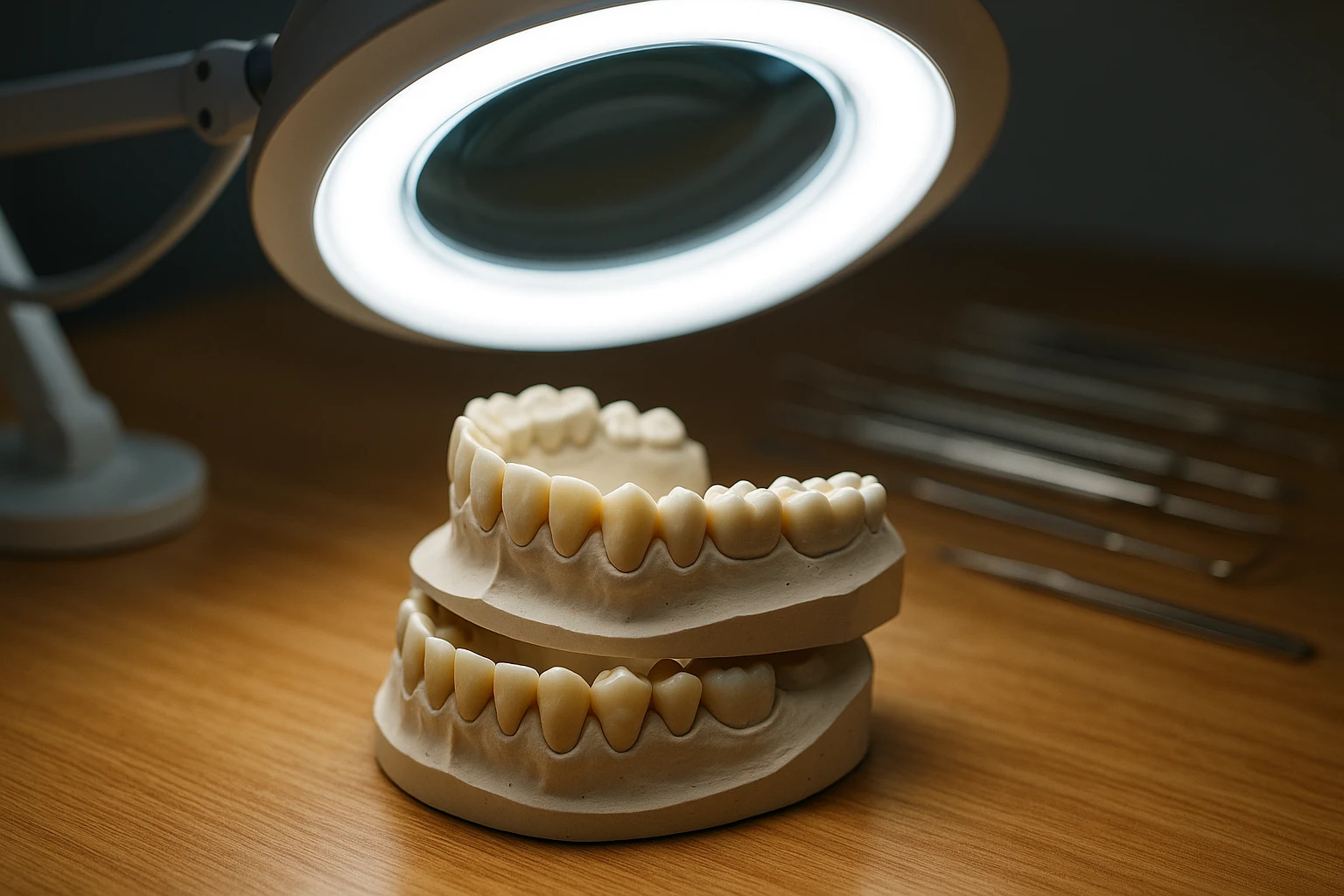
A pristine set of dental molds displayed on a wooden countertop, with a bright LED magnifying lamp illuminating the intricate details of the teeth, highlighting their varied shades against a backdrop of dental tools.

Why Whitening Can Sometimes Result in Yellowing

It’s perplexing when patients notice their teeth appearing more yellow after a whitening treatment. Several factors contribute to this unexpected result, leading some individuals to question the efficacy of a treatment designed to enhance their smile. Understanding the underlying causes can help demystify this phenomenon.

The Rebound Effect

The rebound effect is one of the primary reasons teeth might seem more yellow post-whitening. After treatment, the dentin layer, which possesses a naturally yellow hue, may become more visible as the enamel becomes temporarily dehydrated. This dehydration occurs because whitening agents open enamel pores to remove stains but can inadvertently make them more susceptible to debris and discoloration until they rehydrate. According to research by the American Dental Association, this temporary dehydration is common, and teeth typically regain their natural color within a few days as the enamel rehydrates.

Overuse and Misplacement of Whitening Agents

Another contributing factor can be the overuse or incorrect application of whitening products. When patients apply excessive amounts of bleaching agents or improperly use at-home kits, it may irritate gums and cause inconsistent whitening results. Furthermore, misplacing whitening trays or strips can lead to uneven bleaching, highlighting any pre-existing discoloration. Consulting with professionals at facilities like Hudson Dental Center can ensure that whitening is conducted safely and effectively, reducing the risk of these adverse effects.

Underlying Dental Issues

It’s essential to recognize that underlying dental issues can also influence whitening outcomes. Teeth with significant enamel erosion, for instance, might reveal more of the dentin’s yellow tint after whitening. This can be more evident in individuals with conditions like acid reflux, or those who frequently consume acidic beverages. For a comprehensive approach, professional guidance, such as the services offered at Hudson Dental Center, is vital to identify and address any pre-existing conditions before embarking on a whitening regimen.

In conclusion, while the FAQ: Why Do Teeth Look More Yellow After Whitening? might surprise many, understanding the science behind whitening treatments and potential contributing factors can help manage expectations. For those seeking expert advice, clinics like Hudson Dental Center offer tailored solutions to ensure safe and satisfying results.

Common Misconceptions About Whitening Treatments

After undergoing a teeth whitening procedure, some individuals notice that their teeth appear more yellow, which may seem counterintuitive. This phenomenon is often a result of a few common misconceptions about how whitening treatments work. Understanding these can help manage expectations and ensure a better grasp of the process.

Understanding the Immediate Effects

Following a whitening session, the dehydrated tooth enamel might cause temporary changes in appearance. As the enamel rehydrates over a few days, it may actually improve the overall whiteness, yet some might perceive an initial yellowing. This reaction is natural and not necessarily indicative of the treatment’s failure. According to Healthline, dehydration of enamel can alter its color temporarily, but it should resolve as the enamel rehydrates.

The Role of Underlying Stains

Another contributing factor is the removal of surface stains that can initially make underlying, deeper stains more apparent. When surface stains are removed, the underlying natural color of the dentin, which can be yellow, might become more visible. As noted in WebMD, many whitening products work by breaking down stains, which could inadvertently expose the dentin layer underneath, causing teeth to appear yellower before fully brightening.

Correct Product and Method Usage

The choice of whitening method and product can have a significant effect on the results. Over-the-counter options might not deliver the expected results due to their lower concentration of active whitening agents. Conversely, professional treatments can penetrate deeper and provide more immediate results. Opting for a professional service, such as those offered by dental clinics, ensures that a safe and effective concentration of whitening agents is used, which minimizes the risk of unsatisfactory outcomes like yellowing.

Post-Treatment Care Matters

Post-whitening care plays an essential role in the final result. Adequate hydration, avoiding staining foods and drinks, and maintaining oral hygiene can keep the teeth looking their brightest. It’s crucial to follow any post-treatment guidelines provided by dental professionals to ensure the whitening effects are maximized. Educating patients on proper post-care is essential for maintaining results and avoiding the perception of yellowing.

In conclusion, the FAQ: Why Do Teeth Look More Yellow After Whitening? often results from misunderstandings about the procedure and its immediate effects. Proper education and professional guidance can help manage these misconceptions and lead to more satisfactory outcomes.

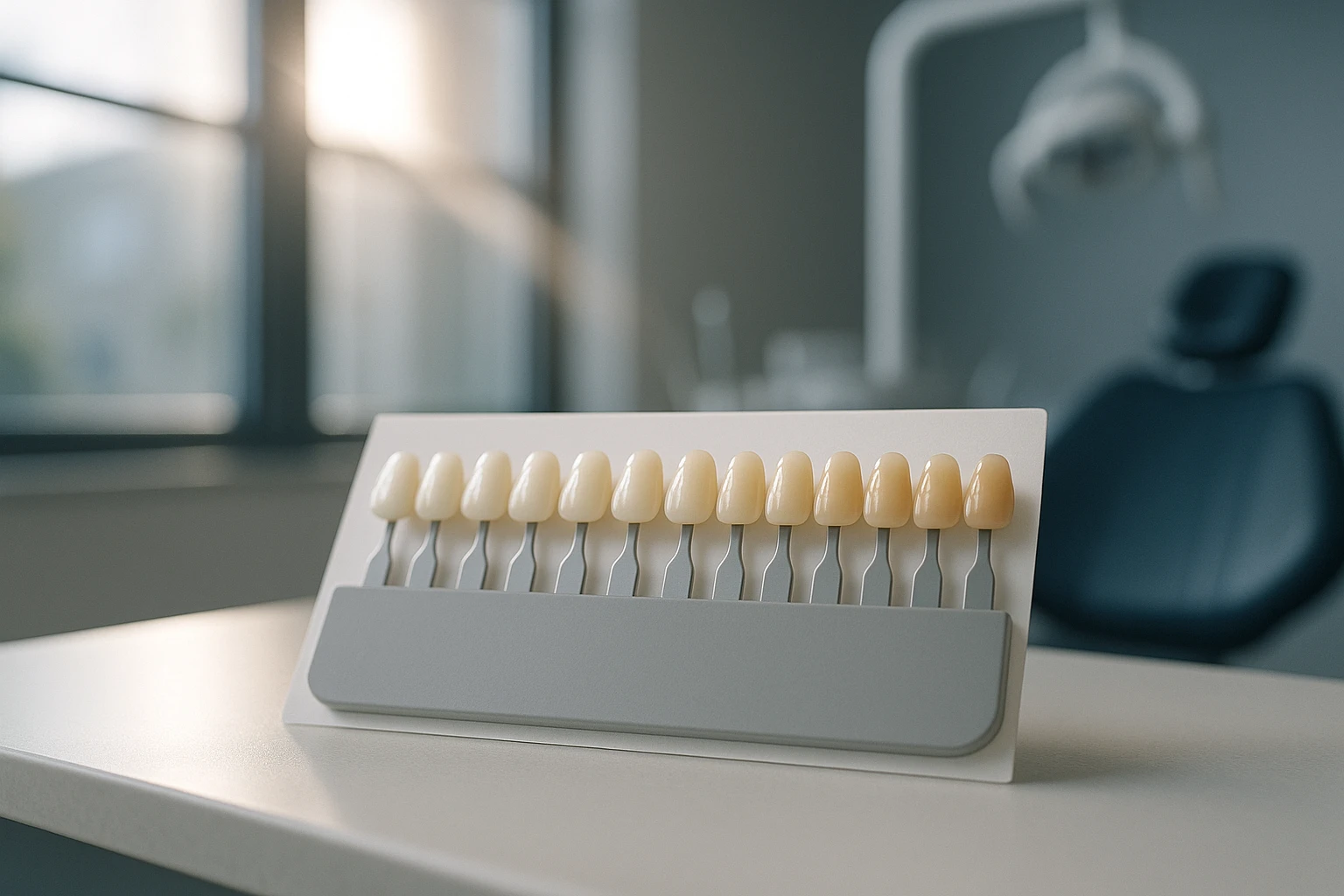
A close-up of a dental chart displaying various shades of teeth whiteness, set against a sleek, modern dentist's office background with a ray of sunlight streaming through the window, gently illuminating the page.
A close-up of a dental chart displaying various shades of teeth whiteness, set against a sleek, modern dentist’s office background with a ray of sunlight streaming through the window, gently illuminating the page.

Conclusion: Ensuring Long-lasting Whitening Results

After exploring the reasons behind the perceived yellowing of teeth post-whitening, it’s clear that several factors contribute to this phenomenon. Understanding these can help you maintain the brightness of your smile and prevent unexpected changes in color.

The primary takeaway from our discussion is to realize the importance of aftercare in maintaining teeth whiteness. Stains caused by foods, drinks, and habits such as smoking are significant contributors to discoloration after whitening treatments. To mitigate these effects, consider adopting a diet low in stain-causing substances, such as coffee and red wine. Additionally, practicing regular dental hygiene is crucial—brush with fluoride toothpaste, floss daily, and consider using a whitening toothpaste or mouthwash for maintenance.

Another key insight is the importance of setting realistic expectations. Whitening treatments can significantly lighten the natural color of your teeth; however, they may not provide a stark white shade for everyone, particularly if intrinsic stains are present. Consulting with a dental professional is essential to receive personalized advice tailored to your specific needs and condition. This consultation can provide clarity on which methods will be most effective for your teeth.

Understanding the role of enamel and dentin in tooth coloration also underscores the importance of enamel protection. Practices such as using a soft-bristled toothbrush and avoiding over-brushing can help preserve your enamel. Enamel-saving measures not only prolong the effects of whitening but also contribute to overall oral health.

For those looking to explore professional support options, it’s advisable to choose reputable dental services. For comprehensive guidance and reliable whitening treatments, consider reaching out to Hudson Dental Center. Their expertise can offer you the personalized care essential for achieving the best results.

In conclusion, understanding and implementing effective aftercare routines, setting realistic expectations, and selecting professional dental support are essential strategies to maintain the effects of teeth whitening. By embracing these insights, you ensure that your smile remains vibrant and healthy long after the initial treatment.


Read Our

Testimonials


Our Locations in

West New York

Location: Kennedy Blvd

4914 Kennedy Blvd Ste 201, West New York NJ 07093

We are conveniently located on Kennedy Blvd in Taffaro Plaza and next to Light Rail Station. Located at the border of West New York, Union City, North Bergen

Serving residents of Hudson County and Bergen County.

NJ Top Dentist 2025
Best Dentist In Jersey City Award
Invisalign Gold Provider

We provide the following services


Have a tooth ache or a dental emergency? We are open Saturdays to take care of your dental emergencies. We are most trusted and highly rated dental office in West New York and Hudson County!

Copyright by Hudson Dental Center (West New York NJ)  2026. All rights reserved.