gum-disease-prevention-toothbrush-toothpaste-1200x800.webp

Understanding Gum Disease Progression

Imagine waking up one morning to find your gums swollen and tender. Your first thought might be, “Is this serious?” Gum disease can indeed progress rapidly, and understanding its trajectory is crucial for maintaining oral health. Often misunderstood, gum disease, or periodontal disease, can swiftly transition from mild to severe stages, affecting not only your gums but potentially your overall health.

This article delves into the FAQ: How Quickly Can Gum Disease Progress?, exploring how the condition develops and what you can do to prevent it. According to the Centers for Disease Control and Prevention, nearly half of adults in the United States suffer from some form of periodontal disease, emphasizing the need for awareness and timely intervention.

The Early Stages: Gingivitis

Gum disease begins with gingivitis, a mild form of gum inflammation often characterized by redness and swelling. This stage is crucial: if caught early, gingivitis can be reversed with proper oral hygiene. Practicing consistent brushing and flossing, alongside regular dental check-ups, can combat these early signs. Our comprehensive guide on Taking Care Of Your Toothbrush offers insights into maintaining effective brushing habits that can prevent the onset of gingivitis.

Progressing to Periodontitis

Without intervention, gingivitis can advance to periodontitis, a more severe stage marked by plaque spreading below the gum line. This can result in the gums pulling away from the teeth, creating pockets that become infected. As the body attempts to fight these infections, the supporting bone and connective tissue can be destroyed, which may lead to tooth loss if left untreated. According to the American Dental Association, untreated periodontitis can progress at varying speeds, influenced by factors like genetics, smoking, and overall health.

In essence, the progression speed of gum disease varies from person to person. Some may experience rapid deterioration, particularly if risk factors like smoking or diabetes are present. Early intervention is key in managing and halting the progression of this stealthy disease. By understanding the stages of gum disease, individuals can take proactive steps toward preservation of their oral health.

Stages of Gum Disease: A Progressive Concern

Understanding the progression of gum disease involves recognizing its stages, each presenting varied levels of impact on oral health. Gum disease begins subtly with gingivitis, characterized by inflammation and bleeding of the gums. This stage can be easily reversed with proper oral hygiene practices, including regular brushing and flossing. Early detection is crucial, as untreated gingivitis can escalate to periodontitis, a more severe form of gum disease.

At the periodontitis stage, the gums pull away from teeth, forming pockets that become infected. According to the Centers for Disease Control and Prevention, nearly 47.2% of adults over 30 years in the US are affected by this condition. This statistic underscores the importance of identifying the transition from gingivitis to periodontitis swiftly. Without intervention, periodontitis can progress rapidly, leading to tissue and bone loss, eventually resulting in tooth loss.

Risk Factors Influencing Disease Speed

Various risk factors contribute to how quickly gum disease can progress. Poor oral hygiene, smoking, genetic predispositions, hormonal changes, and certain medical conditions like diabetes play significant roles. Smokers, for instance, are six times more likely to develop gum disease than non-smokers, according to a study published by the National Institute of Health. Such findings emphasize the need for targeted interventions tailored to individual risk profiles.

For those with diabetes, the progression of gum disease can be more aggressive. The link between these conditions is explored further in the resource on Teeth Gums And Diabetes, highlighting how managing diabetes effectively can aid in controlling gum disease’s progression. Personalized treatment plans, including more frequent dental check-ups and cleanings, can be pivotal in managing these elevated risks.

Understanding these stages and risk factors allows individuals to act more proactively. For those wondering about “FAQ: How Quickly Can Gum Disease Progress?,” the answer is nested in these complexities—varied timelines and influences demand attentive care and professional guidance. Early recognition and intervention remain foundational to slowing or halting the destructive journey of this common yet preventable condition.
A close-up view of a toothbrush with frayed bristles next to a tube of toothpaste, set on the edge of a bathroom sink with a faint reflection of brightly lit tiles in the background.

Understanding the Stages of Gum Disease

Gum disease, also known as periodontal disease, is a progressive condition that typically unfolds in stages. While the pace of progression can vary among individuals, it often follows a predictive pattern if left untreated. Understanding these stages can help individuals recognize early signs and seek timely intervention.

Stage 1: Gingivitis

The initial and mildest form of gum disease is gingivitis. This stage is characterized by inflammation of the gums due to plaque buildup. Symptoms may include redness, swelling, and bleeding during brushing or flossing. Fortunately, gingivitis is reversible with proper oral hygiene practices and professional care from a dental provider like Hudson Dental Center. Regular dental exams and cleanings play a critical role in preventing the progression of gum disease.

Stage 2: Early Periodontitis

When gingivitis is not treated, it can advance to early periodontitis. At this stage, the inflammation extends to the bone and surrounding structures that support the teeth. According to the American Academy of Periodontology, this phase may involve noticeable gum recession and the formation of periodontal pockets that harbor bacteria. Without intervention, these pockets can deepen, escalating the disease.

Stage 3: Moderate to Advanced Periodontitis

As gum disease progresses into moderate to advanced periodontitis, the damage becomes more extensive. This stage often results in significant attachment loss as the bones and fibers holding the teeth in place become compromised. Symptoms may include loose teeth, persistent bad breath, and changes in bite alignment. For detailed assessments, consider services such as dental exams and X-rays to gauge the extent of periodontal damage.

Seeking prompt treatment during the early stages of gum disease is crucial. Professional cleaning, scaling, and root planing can effectively manage early periodontitis. For those in advanced stages, surgical interventions might be necessary to restore oral health. As the progression of gum disease can vary, personalized treatment plans from a trusted provider are essential for optimal outcomes.

It’s imperative for individuals to understand how quickly gum disease can progress to take proactive measures in maintaining oral hygiene. Consulting experts like those at Hudson Dental Center ensures timely management and prevention strategies are effectively implemented.

Understanding the Timeline of Progression and Recovery

Transitioning smoothly from our previous discussion, it’s essential to grasp just how rapidly gum disease can evolve—and how intervention timelines make a critical difference. In many cases, plaque buildup peaks in as little as four days, and by day five, visible signs of gingivitis—such as redness or bleeding—begin to appear. Without timely treatment, this early stage can slide into more advanced periodontal disease within a matter of weeks al-faperio.co.uk.

Individual factors significantly influence the pace of progression, too. For instance, poor oral hygiene, smoking, stress, diabetes, and genetic predispositions can accelerate the onset of periodontitis, with some individuals progressing from gingivitis to early periodontitis in just three to twelve months rankmydentist.com. In contrast, studies indicate that in some populations, gingivitis may take approximately 66.8 weeks—about 15 months—to evolve into full-blown periodontitis delawareperiodontics.com.

Case Insight: Real-World Timelines

Consider a hypothetical patient who neglects oral hygiene for over a week: plaque accumulates, gums redden by day 5, and if unaddressed, within a few weeks they could develop early periodontal pockets. Left untreated, mild periodontitis could escalate within months, especially in individuals with adverse lifestyle factors.

In another example, research from Sri Lankan tea workers reveals that, in the absence of any hygiene, about 10% of people experience rapid loss of attachment exceeding 2 mm per year, while 80% experience moderate loss of 1–2 mm annually en.wikipedia.org. This underscores just how variable—and potentially swift—the decline can be without consistent oral care.

Recovery Timelines and Effective Treatment

Reversal is possible, especially in the early stages. Gingivitis can resolve in as little as one to two weeks with proper dental cleaning and improved at-home care premiergreshamdentist.com. For moderate periodontitis, non-surgical interventions such as scaling and root planing typically yield noticeable improvements within a few weeks to several months; full integration and tissue regeneration may require three to six months agavedentaltx.com.

In severe cases, comprehensive recovery may take several months to a year. Patients often require ongoing maintenance and monitoring to sustain progress, as restoration of gum health is a gradual process of tissue reattachment and pocket reduction reddit.com.

By weaving these findings into the FAQ: How Quickly Can Gum Disease Progress? narrative, readers gain clarity around the urgency of early intervention, the realistic recovery timelines, and the powerful impact of consistent oral care.
A lush garden with a close-up of various medicinal herbs like sage and chamomile, symbolizing natural treatments for gum disease, with a watercolor painting of healthy teeth and gums in the background.

Conclusion: Taking Control of Your Oral Health

Understanding the progression of gum disease is essential for maintaining excellent oral health. The FAQ: How Quickly Can Gum Disease Progress? has highlighted the potential speed at which this condition can develop, urging the importance of regular dental care and early intervention. Lifestyle choices, such as maintaining a balanced diet and quitting smoking, play critical roles in keeping your gums healthy.

Gum disease doesn’t have to be an inevitable part of life. Through effective prevention and timely treatment, you can significantly reduce the risk of it progressing to more severe stages. Early symptoms like bleeding gums or persistent bad breath should prompt a visit to your dentist to avert further complications. According to recent studies, about 47.2% of adults aged 30 years and older have some form of periodontal disease, emphasizing the need for vigilance and proactive management.

Seeking professional assistance can make a substantial difference. Dentists can provide personalized advice and treatment tailored to your specific needs. For a comprehensive evaluation and expert guidance, consider reaching out to Hudson Dental Center. Their experienced team can help you devise a long-term strategy to combat gum disease, ensuring your smile remains healthy and vibrant.

Incorporating simple yet effective at-home practices also contributes significantly to preventing the progression of gum disease. Regular brushing with fluoride toothpaste, flossing daily, and utilizing antiseptic mouthwash form the foundation of excellent oral hygiene. Furthermore, scheduling routine dental check-ups allows for professional cleaning and the early detection of any issues that might otherwise go unnoticed.

In conclusion, while gum disease can progress quickly under certain circumstances, informed and proactive measures can substantially mitigate the risks. Prioritize your oral health by seeking professional advice, making healthy lifestyle choices, and adopting thorough dental hygiene practices. Taking these steps not only safeguards your oral health but also enhances your overall well-being.
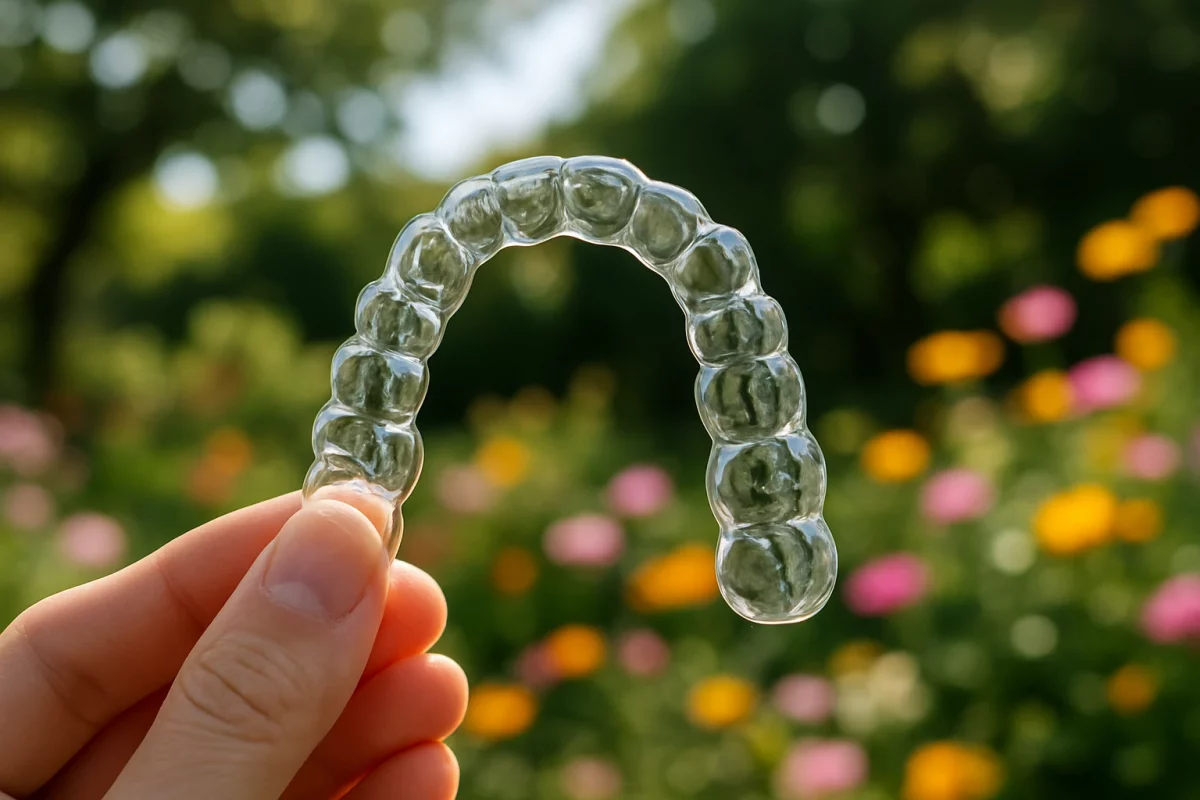
faq-how-long-can-you-wear-invisalign-aligners-safely-1200x800.webp

Understanding Invisalign Usage: An Introduction

In a world where aesthetics and comfort go hand in hand, Invisalign aligners have become a popular choice for those seeking a discreet way to straighten their teeth. However, with their rising popularity come questions regarding their safety and optimal usage. One of the most frequently asked questions is, “How long can you wear Invisalign aligners safely?” Understanding the intricacies of your orthodontic journey is essential for achieving the best results while ensuring comfort and health.

Invisalign aligners are designed to fit seamlessly into your daily routine, providing a convenient alternative to traditional braces. These clear, removable aligners offer the advantage of being nearly invisible, allowing users to undergo orthodontic treatment without altering their appearance significantly. But like any dental appliance, they require proper care and specific usage guidelines to maximize their effectiveness and safety. Neglecting these guidelines can lead to suboptimal results or even dental complications.

Wearing Invisalign aligners for the recommended 20 to 22 hours a day is crucial to ensuring that teeth move at the desired pace. This timeframe is supported by research indicating that consistent wear leads to more successful outcomes. According to a study published by the National Institutes of Health, proper adherence to wear-time guidelines directly correlates with treatment success. Such insights highlight the importance of consistency in any orthodontic treatment plan.

Moreover, life doesn’t pause once you start wearing aligners. Everyday activities such as eating meals, drinking certain beverages, and maintaining oral hygiene routines should be managed with care to preserve the integrity of the aligners. Users are advised to remove their aligners during meal times, which provides an opportunity to thoroughly clean both the aligners and teeth to prevent staining or bacterial growth. For further advice on maintaining oral health during orthodontic treatment, consider exploring topics like Taking Care Of Your Toothbrush.

In summary, understanding how long you can wear Invisalign aligners safely involves more than just adhering to a wear schedule. It encompasses an awareness of daily habits and an active effort to maintain dental hygiene. This comprehensive approach ensures not only the success of your orthodontic journey but also the preservation of your overall oral health. In subsequent sections, we’ll delve deeper into these aspects, providing actionable insights and expert recommendations.

Understanding the Daily Wear Duration for Invisalign Aligners

Adhering to the recommended daily wear duration for Invisalign aligners is crucial for achieving optimal results. Dental professionals typically suggest wearing the aligners for 20 to 22 hours each day, allowing for removal only during meals and while brushing or flossing. This guideline ensures that the teeth receive consistent pressure, encouraging effective alignment over time.

The importance of this daily commitment cannot be overstated. Deviating from this regimen can prolong treatment duration and may compromise the final outcome. For example, if aligners are worn for only 18 hours daily instead of the recommended 20 to 22, progress could be slower, necessitating adjustments or additional aligner sets.

Potential Risks of Inconsistent Usage

Inconsistent usage can lead to various complications, including discomfort as your teeth adjust erratically. Moreover, not wearing aligners as prescribed might lead to a setback in the treatment process, potentially requiring additional time and aligners. According to a study published by the American Association of Orthodontists, compliance with recommended wear time is a significant factor in the success of Invisalign treatments (AAO Study).

For those concerned with maintaining consistency, setting reminders or using smartphone alarms can be effective strategies to ensure aligners are worn for the necessary amount of time each day. This proactive approach aids in keeping the treatment on track and achieving satisfactory results.

Integrating Invisalign into Daily Life

Integrating Invisalign aligners seamlessly into daily life requires a balance between treatment compliance and lifestyle. Scheduling meal times and cleaning routines around the recommended wear time is essential. To minimize the risk of developing canker sores or other oral discomforts, it’s beneficial to maintain excellent oral hygiene. For further reading, the page on Canker Sores After Treatment provides additional insights into managing oral health during aligner use.

This integration involves more than simply wearing the aligners; it includes developing a routine that supports overall oral health. Regular dental exams are advised to monitor progress and detect any potential issues early (Dental Exams and X Rays).

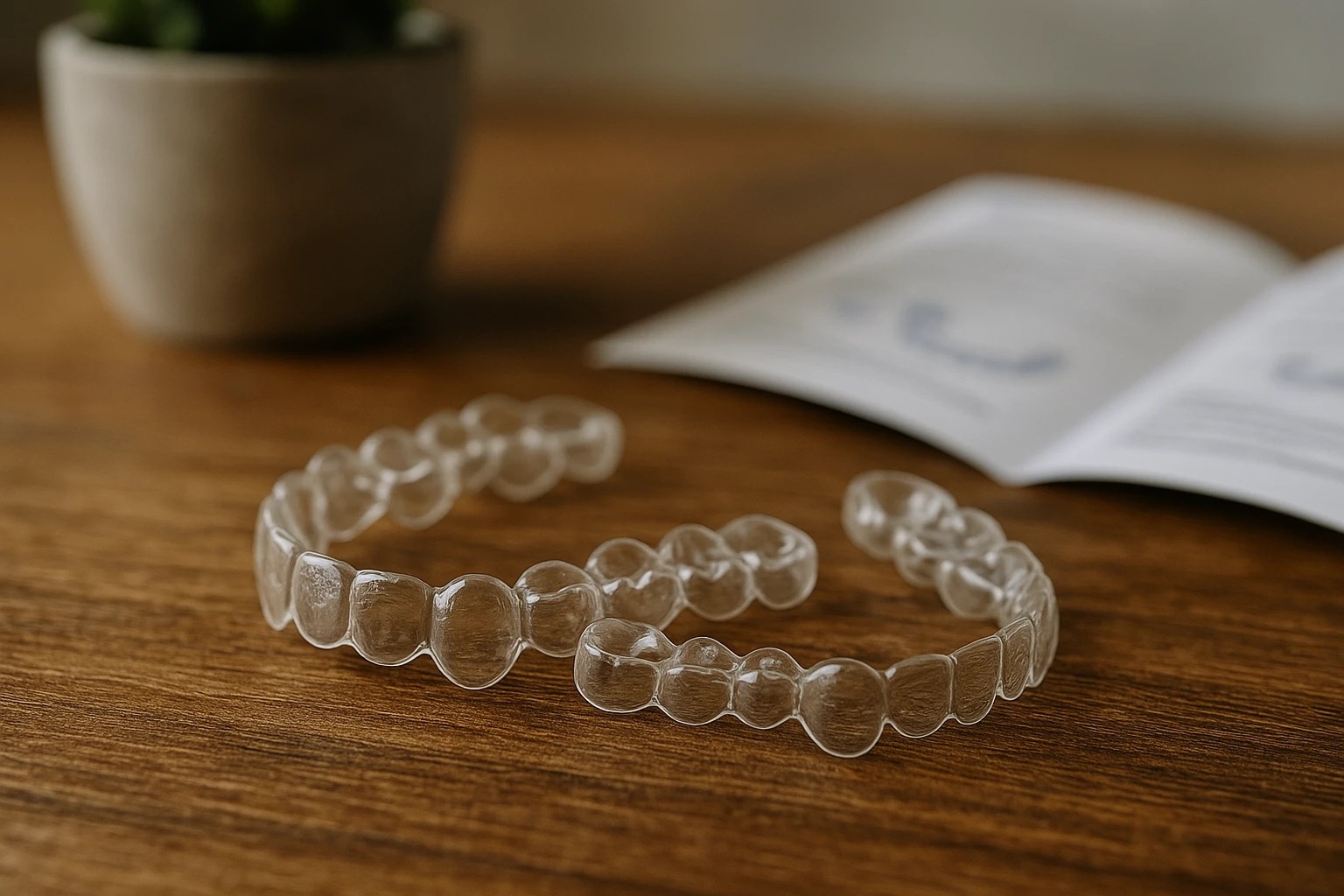
A close-up of a pair of Invisalign aligners on a textured wooden table, with a soft-focus background featuring a potted plant and an open instruction manual detailing their usage.

Duration and Safety: Wearing Invisalign Aligners Effectively

Understanding the optimal duration for wearing Invisalign aligners is crucial to achieving the desired results safely and efficiently. Generally, it is recommended that patients wear their Invisalign aligners for 20 to 22 hours per day. This timeframe allows for maximum effectiveness while ensuring comfort and oral health. Consistency in adhering to this schedule is key to progressing through the treatment as planned.

The importance of wearing aligners for the recommended 22 hours cannot be overstated. Deviations from this can potentially extend the treatment duration, delaying results and possibly increasing costs. For instance, studies have shown that patients who wear their aligners less than 20 hours a day might experience setbacks, resulting in less predictable outcomes (Orthodontic Partners).

One practical approach to integrating this habit into daily life is setting reminders. Using smartphone alarms or dedicated apps can help ensure timely switching between aligners and maintaining the 22-hour daily goal. Additionally, incorporating aligners into routine activities, such as bedtime and morning routines, can help users stay on track more naturally.

The Role of Professional Guidance

Consulting a professional, such as those at Hudson Dental Center, provides invaluable guidance throughout the Invisalign journey. Professional consultations offer personalized insights and tips tailored to individual needs, ensuring that aligners are worn correctly and for the appropriate duration. This personalized approach can mitigate risks associated with prolonged or inadequate use, safeguarding both the wearer’s investment and oral health.

Monitoring progress with the help of experts can also catch potential issues early. Regular check-ups allow for real-time adjustments to treatment plans, enhancing the overall success rate. Clinics like Hudson Dental Center emphasize a hands-on approach, ensuring that their patients remain on course towards their dental goals.

Ultimately, while general guidelines suggest a 20-22 hour wear time, personalized advice from a qualified orthodontist is indispensable. Their expertise can reinforce good habits and help avoid common pitfalls, maximizing both safety and results.

Practical Tips to Maintain Safe and Effective Wear of Invisalign Aligners

Building on earlier discussion in this FAQ: How Long Can You Wear Invisalign Aligners Safely? it’s essential to bridge the gap between ideal wear recommendations and real-world patient behavior. Studies show that although Invisalign recommends **20–22 hours per day**, objective monitoring reveals many patients fall short. One study tracked over 50,000 cases and found that only about 12–15% of patients consistently achieved 22+ hours of daily wear, while 35–40% averaged 20–22 hours, and 30–35% reached just 18–20 hours per day—a reminder that targeted support is critical for maintaining compliance Source: DentalPedia.

Use Technology to Support Adherence

In today’s digital world, blending habit-building with tech can significantly improve wear time consistency. AI-based tools like DentalMonitoring or Invisalign Virtual Care allow orthodontists to remotely assess fit and promptly flag tracking issues—leading to timely interventions and stronger patient engagement Source: BDJ Team via Nature. Patients also benefit from smartphone apps that track aligner removal and wear time, helping to stay accountable and on schedule.

Create a Daily Wear Routine

Rather than leaving wear time to chance, design your daily schedule around key activities. For instance, limit removal to meals and hygiene by consolidating meals or brushing strategically. One patient-friendly routine might involve removing aligners only during set times for breakfast, lunch, dinner, and cleaning—minimizing unnecessary out-of-mouth time and preserving 20–22 hours of daily wear Source: Davis Smiles. Consistency, even slightly below the ideal in short blocks, is far more manageable than frequent, prolonged interruptions.

Address Lapses Proactively

It’s normal to occasionally fall short of wear goals—what matters is how you respond. For example, if you miss a few hours, simply extend the wear of your current aligner before advancing to the next one, as your orthodontist may advise Source: BDJ Team via Nature. Patients wearing less than 18 hours per day risk extending their treatment by several months or needing additional refinement aligners, so prompt recovery of lost hours is vital Source: Braces and Faces.

Leverage Simple Physical Aids

While advanced tools help, basic aids can also improve outcomes. Chewies—soft, cylindrical cushions—help seat aligners properly and improve fit, reducing slipping and increasing tooth movement efficiency. Meanwhile, always keep your aligners in their case when removed to avoid loss or inadvertent damage, a small habit that reinforces wear consistency.

By blending technological monitoring, structured daily planning, swift corrective action after downtime, and simple physical tools like chewies, patients can significantly close the gap between ideal and actual Invisalign wear. This ensures that intent and execution align—maximizing treatment safety and efficiency while preventing unnecessary delays.

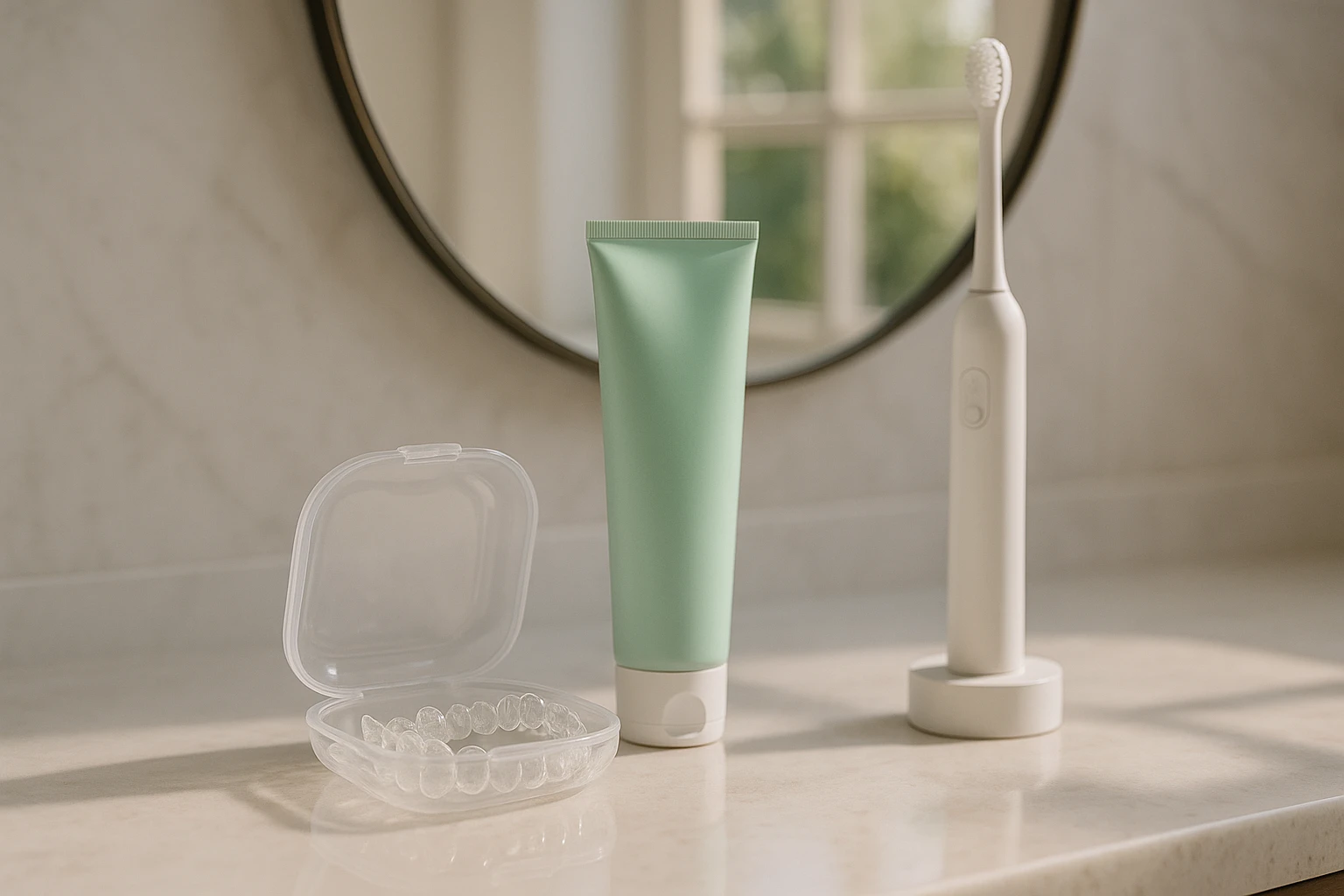
A neatly arranged bathroom countertop featuring a transparent Invisalign storage case next to a tube of mint-flavored toothpaste and a sleek electric toothbrush, set against a backdrop of a large round mirror reflecting a sunlit window.

Conclusion: Key Takeaways and Next Steps

The journey with Invisalign can be transformative, providing a convenient and nearly invisible way to achieve a beautifully aligned smile. As you consider your options, understanding how long you can wear Invisalign aligners safely is crucial for maximizing their effectiveness while ensuring comfort and safety. On average, wearing your aligners for 20 to 22 hours daily is recommended. Adhering to this guideline can help expedite your treatment timeline and yield optimal results.

Users have reported varying experiences based on personal adherence, dental needs, and lifestyle. For instance, individuals committed to wearing their aligners consistently often find that they complete their treatment on or even ahead of schedule. In contrast, those who frequently remove their aligners might face prolonged treatment. According to a study from the American Association of Orthodontists, patients with consistent compliance tend to see the most favorable outcomes (American Association of Orthodontists).

Actionable Insights for Optimal Invisalign Use

  • Set daily reminders to wear your aligners as close to 22 hours as possible, reducing the risk of extending your treatment.
  • Maintain a hygiene routine by cleaning your aligners daily, preventing bacteria buildup that can affect oral health.
  • Schedule regular check-ups with your dental provider to monitor progress and make any necessary adjustments.

Embarking on the Invisalign journey requires commitment, but the results are well worth the effort. Establish clear lines of communication with your orthodontist to tailor your treatment effectively. Your dedication will pay off in the form of improved dental health and confidence in your smile.

For those considering starting or optimizing their treatment, it’s beneficial to consult professionals. Hudson Dental Center offers comprehensive support and personalized treatment plans to ensure your Invisalign experience is as smooth and successful as possible. Their expertise can guide you through the intricacies of your orthodontic journey, addressing any concerns with informed solutions.

In sum, understanding and adhering to the recommended wear duration of your Invisalign aligners, combined with regular dental consultations, can significantly enhance the outcomes of your treatment. Your path to a better smile is just a decision away, so take the first step by reaching out to trusted professionals today.


Read Our

Testimonials


Our Locations in

West New York

Location: Kennedy Blvd

4914 Kennedy Blvd Ste 201, West New York NJ 07093

We are conveniently located on Kennedy Blvd in Taffaro Plaza and next to Light Rail Station. Located at the border of West New York, Union City, North Bergen

Serving residents of Hudson County and Bergen County.

NJ Top Dentist 2025
Best Dentist In Jersey City Award
Invisalign Gold Provider

We provide the following services


Have a tooth ache or a dental emergency? We are open Saturdays to take care of your dental emergencies. We are most trusted and highly rated dental office in West New York and Hudson County!

Copyright by Hudson Dental Center (West New York NJ)  2026. All rights reserved.