
Understanding Teeth Whitening and Its Aftermath
Teeth whitening is a popular cosmetic dentistry procedure that promises gleaming smiles and increased confidence. However, if you’ve recently undergone this treatment, you may notice something perplexing: your teeth appear more yellow than before. This unexpected outcome can leave many questioning why the whitening didn’t yield the desired results. The fascinating dynamics behind why teeth might look more yellow after whitening are worth exploring to understand this phenomenon better.
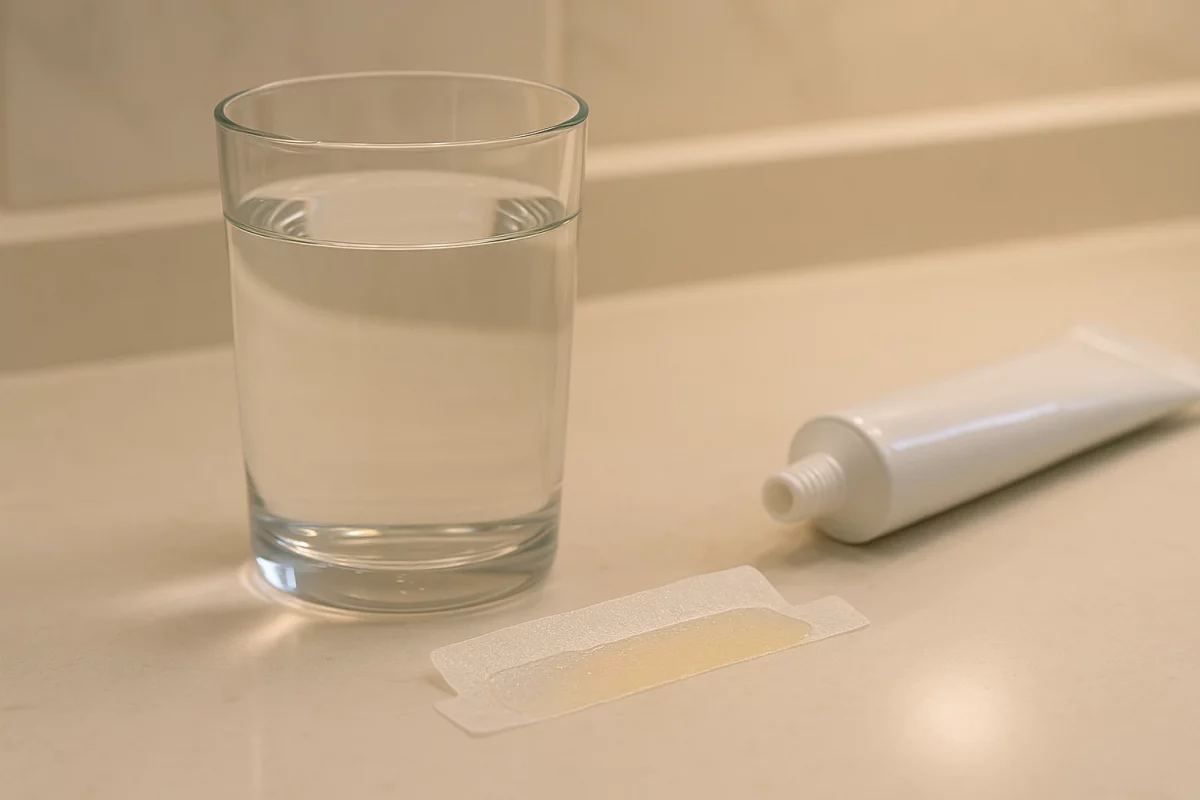
Initially, it’s essential to grasp how teeth whitening works. Whitening products typically use bleaching agents like hydrogen peroxide or carbamide peroxide to remove stains and discoloration. These agents penetrate the outer enamel layer to reach the dentin, which is the main substance of the tooth beneath the enamel, facilitating a brighter appearance. In some cases, though, the dentin might react differently, potentially leading to an increased perception of yellowing according to Colgate’s insights.
The Role of Enamel and Dentin in Tooth Color
The natural color of your teeth is largely determined by the thickness and health of the enamel and the underlying dentin. Enamel, being translucent, can reveal the color of the dentin beneath it. Typically, after a whitening process, the contrast between the whiter enamel and the dentin can make any lingering stains or the natural yellow tint of the dentin more noticeable. This optical illusion can mislead individuals into believing their teeth have become more yellow post-treatment.
Moreover, when enamel is temporarily weakened by whitening agents, it can reflect light differently, potentially enhancing the appearance of yellow tones. Sometimes, patients may also notice increased sensitivity or side effects similar to canker sores post-treatment. For relevant strategies to address such issues, you can refer to Canker Sores After Treatment.
Understanding the Balance of Whitening Treatments
While achieving a dazzling smile is the primary objective of whitening treatments, balancing expectations with reality is crucial. As the teeth recover from the procedure, natural remineralization occurs, which can normalize the appearance over time. It is also important for individuals to consider the type of whitening treatment used, as in-office procedures may yield different results compared to home kits due to varying concentrations of active ingredients.
The key to maintaining that newly brightened smile lies in proper aftercare. Regular dental exams and early attention to discoloration can prevent unexpected results and keep the hues of your smile consistently brilliant. Keeping yourself informed is the best way to ensure lasting satisfaction with any whitening treatment.
Understanding Post-Whitening Discoloration
After the anticipation of a teeth whitening treatment, noticing discoloration can be puzzling. One factor contributing to this issue is the thinness of the enamel. As the surface of the teeth becomes whiter, the dentin underneath may be more visible, creating the appearance of yellowing. This phenomenon highlights the natural variations in tooth structure, which can differ from person to person. It’s important to recognize that the perceived yellowness may actually be due to how light interacts with the different layers of your teeth.
Effects of Enamel Lightening
When you undergo a whitening procedure, you are primarily lightening the enamel, the outermost layer of your teeth. If the enamel becomes too thin, either naturally or through excessive whitening, it can reveal the yellowish dentin beneath. A real-world example can be seen in patients who have undergone multiple whitening sessions. They may experience enhanced sensitivity and unexpected yellow shades. This change occurs because the protective enamel layer has diminished, exposing the dentin’s color.
Comparison with Long-term Benefits
Despite the potential for temporary discoloration, the long-term benefits of professional whitening are significant. According to the Dental Exams And X Rays page, such procedures can significantly improve your smile’s aesthetics, boosting confidence and overall dental health when performed correctly. However, balancing whitening sessions and enamel health is crucial. Dental professionals recommend periodic exams to ensure that teeth remain healthy and resilient after whitening.
Post-Whitening Care and Consistency
Maintaining the brightness achieved through whitening involves careful post-treatment care. Limiting the consumption of staining beverages like coffee and red wine can help preserve the results. Moreover, regular brushing with non-abrasive toothpaste and routine flossing prevent the buildup of new stains. A case study from a cosmetic dentistry practice noted that patients who followed these guidelines reported sustained brightness longer than those who did not. Thus, adopting proactive measures after treatment can lead to enduring satisfaction.
Why Whitening Can Sometimes Result in Yellowing
It’s perplexing when patients notice their teeth appearing more yellow after a whitening treatment. Several factors contribute to this unexpected result, leading some individuals to question the efficacy of a treatment designed to enhance their smile. Understanding the underlying causes can help demystify this phenomenon.
The Rebound Effect
The rebound effect is one of the primary reasons teeth might seem more yellow post-whitening. After treatment, the dentin layer, which possesses a naturally yellow hue, may become more visible as the enamel becomes temporarily dehydrated. This dehydration occurs because whitening agents open enamel pores to remove stains but can inadvertently make them more susceptible to debris and discoloration until they rehydrate. According to research by the American Dental Association, this temporary dehydration is common, and teeth typically regain their natural color within a few days as the enamel rehydrates.
Overuse and Misplacement of Whitening Agents
Another contributing factor can be the overuse or incorrect application of whitening products. When patients apply excessive amounts of bleaching agents or improperly use at-home kits, it may irritate gums and cause inconsistent whitening results. Furthermore, misplacing whitening trays or strips can lead to uneven bleaching, highlighting any pre-existing discoloration. Consulting with professionals at facilities like Hudson Dental Center can ensure that whitening is conducted safely and effectively, reducing the risk of these adverse effects.
Underlying Dental Issues
It’s essential to recognize that underlying dental issues can also influence whitening outcomes. Teeth with significant enamel erosion, for instance, might reveal more of the dentin’s yellow tint after whitening. This can be more evident in individuals with conditions like acid reflux, or those who frequently consume acidic beverages. For a comprehensive approach, professional guidance, such as the services offered at Hudson Dental Center, is vital to identify and address any pre-existing conditions before embarking on a whitening regimen.
In conclusion, while the FAQ: Why Do Teeth Look More Yellow After Whitening? might surprise many, understanding the science behind whitening treatments and potential contributing factors can help manage expectations. For those seeking expert advice, clinics like Hudson Dental Center offer tailored solutions to ensure safe and satisfying results.
Common Misconceptions About Whitening Treatments
After undergoing a teeth whitening procedure, some individuals notice that their teeth appear more yellow, which may seem counterintuitive. This phenomenon is often a result of a few common misconceptions about how whitening treatments work. Understanding these can help manage expectations and ensure a better grasp of the process.
Understanding the Immediate Effects
Following a whitening session, the dehydrated tooth enamel might cause temporary changes in appearance. As the enamel rehydrates over a few days, it may actually improve the overall whiteness, yet some might perceive an initial yellowing. This reaction is natural and not necessarily indicative of the treatment’s failure. According to Healthline, dehydration of enamel can alter its color temporarily, but it should resolve as the enamel rehydrates.
The Role of Underlying Stains
Another contributing factor is the removal of surface stains that can initially make underlying, deeper stains more apparent. When surface stains are removed, the underlying natural color of the dentin, which can be yellow, might become more visible. As noted in WebMD, many whitening products work by breaking down stains, which could inadvertently expose the dentin layer underneath, causing teeth to appear yellower before fully brightening.
Correct Product and Method Usage
The choice of whitening method and product can have a significant effect on the results. Over-the-counter options might not deliver the expected results due to their lower concentration of active whitening agents. Conversely, professional treatments can penetrate deeper and provide more immediate results. Opting for a professional service, such as those offered by dental clinics, ensures that a safe and effective concentration of whitening agents is used, which minimizes the risk of unsatisfactory outcomes like yellowing.
Post-Treatment Care Matters
Post-whitening care plays an essential role in the final result. Adequate hydration, avoiding staining foods and drinks, and maintaining oral hygiene can keep the teeth looking their brightest. It’s crucial to follow any post-treatment guidelines provided by dental professionals to ensure the whitening effects are maximized. Educating patients on proper post-care is essential for maintaining results and avoiding the perception of yellowing.
In conclusion, the FAQ: Why Do Teeth Look More Yellow After Whitening? often results from misunderstandings about the procedure and its immediate effects. Proper education and professional guidance can help manage these misconceptions and lead to more satisfactory outcomes.
Conclusion: Ensuring Long-lasting Whitening Results
After exploring the reasons behind the perceived yellowing of teeth post-whitening, it’s clear that several factors contribute to this phenomenon. Understanding these can help you maintain the brightness of your smile and prevent unexpected changes in color.
The primary takeaway from our discussion is to realize the importance of aftercare in maintaining teeth whiteness. Stains caused by foods, drinks, and habits such as smoking are significant contributors to discoloration after whitening treatments. To mitigate these effects, consider adopting a diet low in stain-causing substances, such as coffee and red wine. Additionally, practicing regular dental hygiene is crucial—brush with fluoride toothpaste, floss daily, and consider using a whitening toothpaste or mouthwash for maintenance.
Another key insight is the importance of setting realistic expectations. Whitening treatments can significantly lighten the natural color of your teeth; however, they may not provide a stark white shade for everyone, particularly if intrinsic stains are present. Consulting with a dental professional is essential to receive personalized advice tailored to your specific needs and condition. This consultation can provide clarity on which methods will be most effective for your teeth.
Understanding the role of enamel and dentin in tooth coloration also underscores the importance of enamel protection. Practices such as using a soft-bristled toothbrush and avoiding over-brushing can help preserve your enamel. Enamel-saving measures not only prolong the effects of whitening but also contribute to overall oral health.
For those looking to explore professional support options, it’s advisable to choose reputable dental services. For comprehensive guidance and reliable whitening treatments, consider reaching out to Hudson Dental Center. Their expertise can offer you the personalized care essential for achieving the best results.
In conclusion, understanding and implementing effective aftercare routines, setting realistic expectations, and selecting professional dental support are essential strategies to maintain the effects of teeth whitening. By embracing these insights, you ensure that your smile remains vibrant and healthy long after the initial treatment.